Whoa, this caught me off-guard. I installed Phantom on a whim one rainy afternoon and my first impression was: fast, clean, and annoyingly simple in a good way. Initially I thought a wallet couldn’t actually make interacting with NFTs enjoyable, but then I realized how much UI design matters when you’re flipping through collections or approving tiny micro-transactions. My instinct said “this is different” and that gut feeling stuck, even after poking under the hood for a week straight. Okay, so check this out—I’ll be honest: I’m biased, but the experience matters more than the marketing fluff.
Seriously? Yes, seriously. Phantom is a browser extension that behaves like a native app, and that design choice reduces friction when you jump between marketplaces, games, and DeFi dapps. On the one hand you get a streamlined, minimal interface; on the other hand some power users wish for deeper, built-in portfolio analytics—though actually, wait—extensions are meant to be light, not an all-in-one dashboard. My take: Phantom gets the balance right for most people using Solana as a daily driver, and it handles NFTs in a way that makes sense to collectors and traders alike.
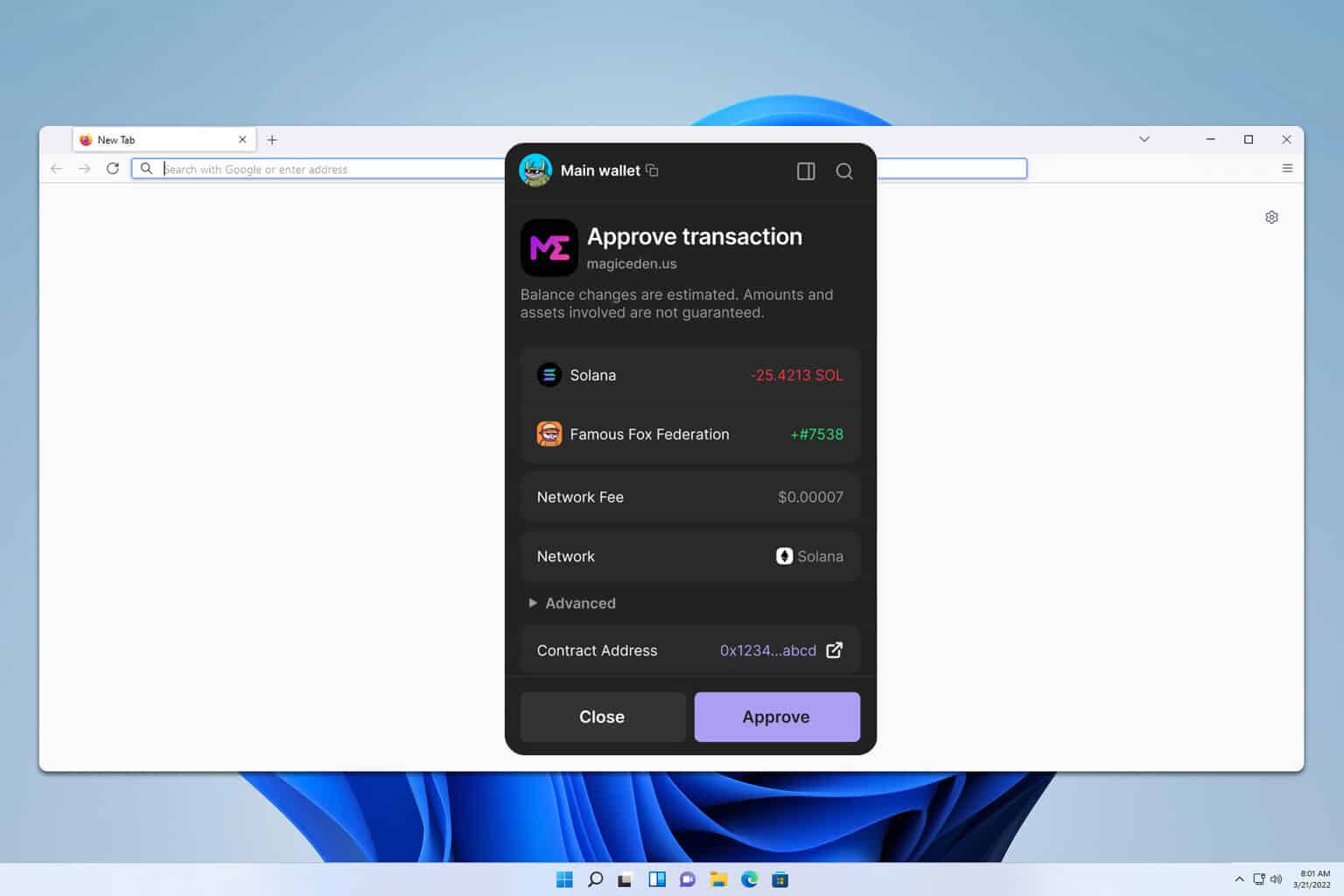
Here’s the thing. Managing NFTs and SPL tokens in a browser extension carries its own risks, and the way Phantom approaches permissions and signature requests matters a lot. Something felt off about permission pop-ups in other wallets—too many vague confirmations—so I paid attention to how Phantom labels and groups actions, which helped me avoid mistakes early on. Initially I was sloppy and approved a couple of session permissions that I shouldn’t have; then I tightened my habits and used the extension’s disconnect features much more often. On the technical side, Phantom uses Solana’s keypair and signing model; that part’s straightforward if you’ve used crypto wallets before, but it can still surprise newcomers.
Short story: it’s intuitive, but safety is on you. Use a hardware wallet if you hold meaningful value, and treat the seed phrase like a real paper-only secret—no screenshots, no cloud notes. My instinct said “don’t trust the convenience” and I listened; your instincts should too. For day-to-day NFT browsing and small trades the extension is great, though it isn’t a substitute for cold storage when you have a long-term collectible or big stash. Also, somethin’ about the notification flow bugs me a bit—sometimes I get very very many pop-ups from dapps that want to interact.
Let me walk through a typical flow so you see why it feels natural. You install the extension, create or import a wallet, then Phantom drops you into a simple dashboard with your SOL balance and NFTs shown as cards—nice visual cue that helps with quick decisions. Using the built-in swap feature is fast; it routes trades on Solana’s liquidity pools and shows estimated slippage, though slippage can be deceptive on low-liquidity pairs and you’ll want to check that. On one hand the swap UI is cleaner than some mobile apps, but on the other hand it doesn’t replace a thorough DEX interface for advanced traders. I should mention: I used the extension with Chrome and Brave, and the behavior was consistent, though I didn’t test it across every Chromium fork.
Installation etiquette: don’t rush. Open the Chrome Web Store or your browser’s extension gallery and verify the publisher carefully. My first time I almost grabbed an impostor extension that mimicked the logo—yikes. If you’re looking to get the official release, use the canonical source and double-check reviews and install counts; there are fake listings from time to time. If you prefer a direct recommendation, try the Phantom site or a trusted directory and search for the official listing before you click install.
Where to get it (a legit link to install)
If you want to try it now, this is the place I used when I set things up: phantom wallet download extension. Do yourself a favor and verify the extension ID in the store if you care about safety—it’s a small step that stops a lot of headaches. Also, be weary of phishing sites that replicate onboarding steps; the extension will never ask for your seed phrase via a webpage, only during setup within the extension UI itself.
NFT collectors will appreciate Phantom’s built-in gallery. The way it previews art and shows collection metadata is subtle but useful, especially when you’re flipping between marketplaces looking for gas-efficient trades on Solana. My instinct said “this is going to save me time” and that held true; still, if you need advanced listing management you might prefer a specialized tool in addition to Phantom. There are occasional display quirks with certain royalties or metadata standards, and I’ve seen a few missing fields when collections use nonstandard on-chain pointers. Oh, and by the way—if your NFT images don’t show up, try reloading and checking the metadata source; sometimes it’s just a lazy IPFS gateway hiccup.
Privacy and permissions deserve a shout-out. Phantom scopes connections per-site and shows you which dapps asked for access, which reduces surprise interactions. Initially I thought all wallets were the same here, but Phantom’s approach to per-site disconnect and session management helped me feel more in control. On the flip side, the extension still requires browser-level safeguards—an infected machine or compromised profile can leak more than any wallet can guard against. So run ad-blockers, keep your browser profiles tidy, and consider separate profiles for wallet activity if you want to compartmentalize.
Now for a deeper, more analytical look. Performance on Solana is excellent because Solana itself is fast, but Phantom’s optimizations reduce the friction when signing transactions or switching networks; there’s no long lag that makes you think something failed. On the technical side, the extension interacts with Solana RPC endpoints and caches some data client-side to speed up display—but that caching can become stale, so be mindful if your balance looks off. Initially I noticed a temporary balance glitch during heavy network traffic, but a manual refresh and a short wait resolved it. The lesson: don’t panic during network congestion; check the RPC and the transaction explorer if you’re unsure.
Here’s what bugs me about extensions in general: permission sprawl. Phantom does better than many, but dapps can still ask for broad capabilities and users often click through. I’m not 100% sure why humans are so click-happy, but we are. My working rule became: ask “why does this dapp need that specific permission?” and if the answer is fuzzy, disconnect and research. Yes, that adds steps, but it’s worth it when you’re dealing with NFTs that can represent real-world value or one-of-a-kind collectibles.
Integration with hardware wallets is solid, but expect a learning curve. I paired a Ledger with Phantom and, although setup was straightforward, signing flows require a little patience because you confirm on-device and in-extension. Once configured, the extra security is tangible; the private keys never leave your hardware device, which is the whole point. For larger collections or long-term holding, it’s the difference between “risky convenience” and “professional custody practices.” If you want to be safe, do this early—don’t wait until after you’ve had a few big wins and convinced yourself you’re invincible.
Some practical tips before you dive in: backup your seed phrase across multiple offline places, label your accounts if you manage several wallets, and enable any optional security features Phantom offers. Also, keep your browser and extension up to date; updates sometimes patch vulnerabilities or improve phishing detection. If you trade NFTs frequently, learn to read signature requests quickly—look for the dapp origin and the exact transaction actions. Little habits compound into real safety over time.
FAQ
Can Phantom store NFTs and regular SPL tokens?
Yes, Phantom handles both NFTs and standard Solana SPL tokens, showing NFTs as cards in a gallery and listing token balances plainly; it’s built around Solana’s account model so it usually feels seamless.
Is the browser extension safe to use for high-value assets?
Use it for day-to-day interactions, but for significant holdings pair Phantom with a hardware wallet and use cold storage for long-term value—don’t trust convenience when security will cost you money if mishandled.
How do I verify I’m installing the real Phantom extension?
Check the publisher name, reviews, install counts, and the exact extension ID in your browser store; when in doubt, start at a trusted site and follow links or use community-vetted directories to find the official listing.