
Whoa!
I clicked into my browser wallet and felt that familiar twinge. This should have been routine, but something felt off about the UI and the way permissions were phrased. Initially I thought it was just my memory playing tricks, but after poking through the permissions and the transaction flow I found subtle attack surfaces that deserve attention. Here’s the thing: extensions are incredibly convenient and also uniquely risky.
Wow!
My instinct said, “Don’t rush this.” So I slowed down. On a gut level the interface looked fine, though actually, wait—let me rephrase that: the microcopy and prompts were slightly misleading in places. At first I assumed a clumsy translation or lazy UX, but digging deeper revealed choices that affect security and privacy. I’m biased, but I prefer wallets that make safety the default rather than an optional toggle.
Seriously?
Yes — seriously. Browser extensions run right in your user session, they can see injected pages, and they hold keys that sign transactions. That combination is powerful and precarious. On one hand they let you interact with DeFi dApps instantly, though on the other hand that immediacy increases the blast radius of any exploit. My experience testing different extensions taught me to read the permission lists like legal disclaimers — boring, but necessary.
Hmm…
Let me tell you a quick story. I was in a coffee shop, laptop open, trying to bridge a small token amount; my phone buzzed, I multitasked, and almost approved a transaction without checking details. That part bugs me — human error is the easiest attack vector. After that scare I started treating every approve as a mini-security audit, looking at contract metadata, reviewing the spender address, and confirming gas settings. It slows things down, sure, but it prevents the kind of mistakes that feel awful afterwards.
Here’s the thing.
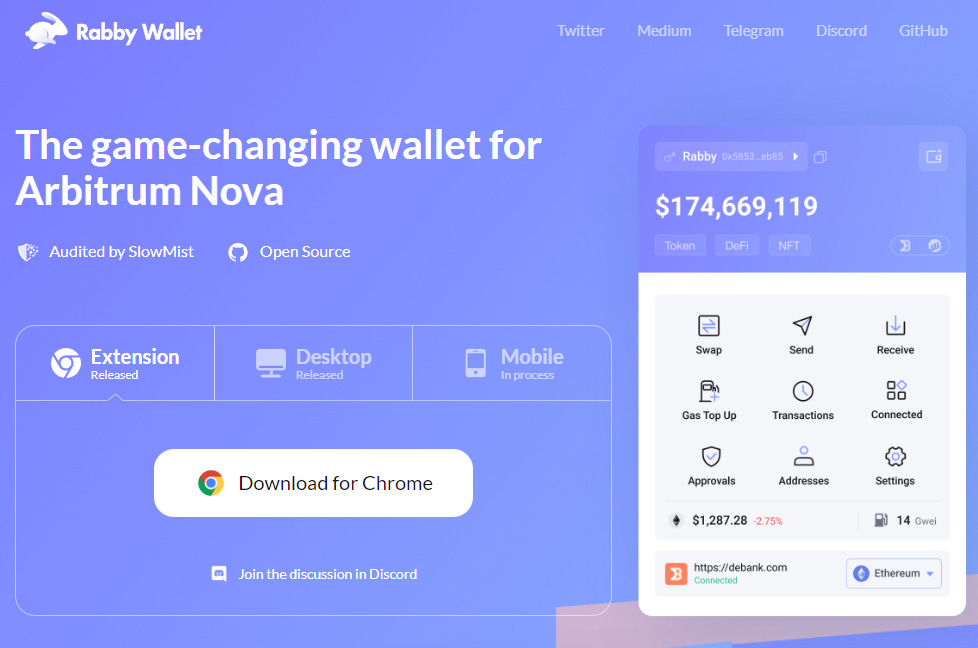
Rabby Wallet is one of the browser extension wallets that changed my workflow. It’s focused on DeFi and gives advanced control over approvals and networks. Check this out—when you manage allowances there are granular controls that let you limit spenders and revoke privileges without jumping through several menus. That capability alone saved me from a sloppy dApp approval once, when I noticed an allowance set far higher than needed and trimmed it back immediately.
How to treat a browser extension like a safety-first tool
If you’re downloading anything, do your homework. Review the publisher, check reviews from trusted sources, and verify the extension ID when possible. For a straightforward way to get Rabby Wallet and avoid shady impostors, see this link: https://sites.google.com/cryptowalletextensionus.com/rabby-wallet-download/ — that’s where I started when I wanted an easy, secure install. Also, consider creating a dedicated browser profile for your crypto work; it keeps cookies, extensions, and trackers compartmentalized.
Wow!
Use hardware wallets with your extension if you can. That extra signer isolates your keys from the browser process and reduces risk dramatically. Initially I thought a hardware device was overkill for small trades, but then realized it prevents a whole class of hijack attacks. Practically speaking, it adds friction — but I treat that friction as insurance.
Really?
Yep. Another tip: limit token approvals by setting small allowances or single-use approvals. Many dApps prompt for unlimited allowances, and that’s where the trouble starts. I used to accept max approvals to avoid repeated prompts, and very very regret that choice once (lesson learned). Now I opt for limited approvals and revoke them periodically.
Okay, so check this out—
Audit the extension’s open-source status and community activity. Open repos, active issue trackers, and visible changelogs matter. If the project is quiet for months, that’s a red flag. Oh, and watch out for copycats in the extension store — double-check the publisher and the exact extension ID. Somethin’ as simple as a typo-squatted name can fool people in a rush.
Initially I thought UX alone sold me on a wallet, but then realized security-first design wins in the long run. On one hand a slick interface makes onboarding painless; though on the other hand ambiguous confirmation modals and buried permission controls can lead to disasters. So I now prioritize wallets that put transaction details front-and-center: clear destination, token amounts, and source chain, with easy access to revoke or re-authorize later.
Here’s the practical checklist I use before approving anything:
– Confirm the exact contract or recipient address. Don’t eyeball it. - Check token and amount line-by-line. - Verify gas and network settings. - Prefer single-use approvals when possible. - Use a hardware signer for large transfers.
That checklist has saved me more than once. It’s boring, I know, but boring keeps your assets. I’m not 100% perfect at it, but repetition builds the habit. And yes — sometimes I still almost approve something too fast, sigh, but my habit usually catches it.
Common questions
Is a browser extension wallet safe enough for DeFi?
Short answer: yes, if you follow best practices. Use a reputable extension, keep your browser environment clean, limit approvals, and pair with a hardware wallet for large holdings. On the flip side, understand that extensions have more exposure than cold storage, so treat them like a daily-driver: convenient, carefully managed, and not for everything.
How do I spot a malicious or fake extension?
Check the publisher identity, compare the extension ID to the official project pages, read recent user reports, and prefer installs from the project’s website when possible. Also, be wary of copycat icons and names — scammers count on rushed installs. If somethin’ smells off, uninstall and investigate; it’s better to be paranoid than penniless.